A book is not only its text
In an age when an entire library can fit into a tablet, entering the world of antique books may look anachronistic. In reality, bibliographic collecting is receiving renewed attention: more informed, more international and more verification-driven.
The question is not why pay for a text that might be downloadable. The question is what becomes invisible when the text is separated from its physical support.
Living contact with history
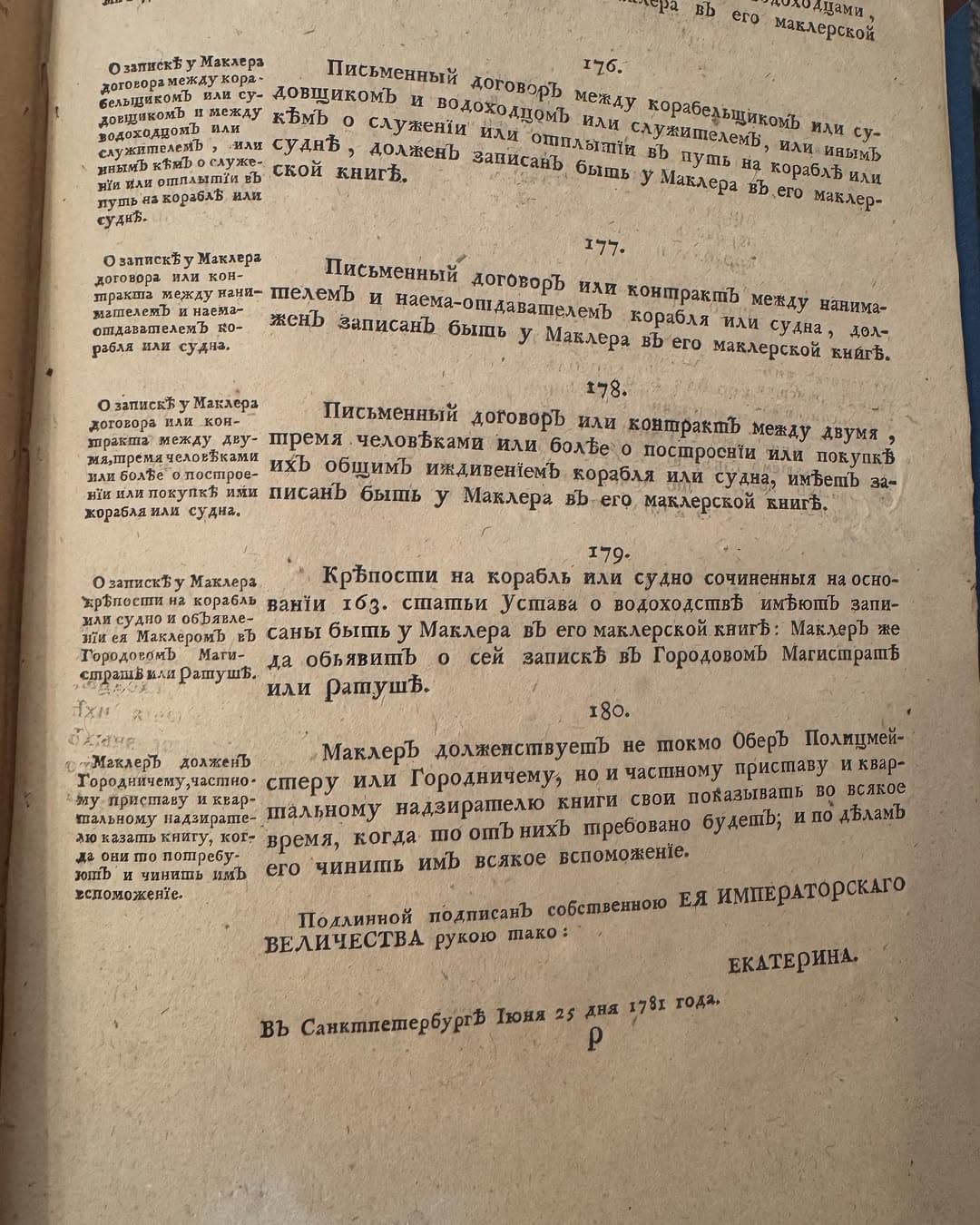
Holding a volume from 1820 means approaching paper, ink, binding, smell, margins and traces of use. A handwritten note may tell more than a bibliographic entry.
The collector becomes a custodian and a critical reader: learning to observe collation, edition, condition, provenance, ex libris, stamps, restorations and differences between copies that look similar at first.
Market, value and caution
The rare-book market can have a patrimonial dimension, but it should not be treated as a financial promise. Each work depends on rarity, demand, condition, provenance, completeness and resale context.
Caution is part of the method: first study, then compare, then decide. Patria prefers to explain risk rather than turn every volume into a financial promise.
The therapy of attention
An antique book also changes the way one reads. It is not scrolled: it is opened, placed, observed. Typography, paper weight and page rhythm ask for time.
That time has cultural value. It trains concentration, taste, attention to detail and the ability to distinguish a seductive image from a truly meaningful object.
Survival and condition
Difficulty is part of the fascination. Fires, wars, family dispersals, destruction campaigns, humidity, mould and insects erased a huge part of historical print runs.
Even when a title seems common, the right copy can be rare: period binding, intact paper, documented provenance, annotations, completeness and absence of invasive restorations can change everything.
Entering with method
A beginner's mistake is to think that everything old is valuable. It is not. Large print runs, incomplete copies, heavy restorations or weak attributions can reduce interest sharply.
The best start is a clear, verifiable theme: an author, a place, a technique, a provenance or a period. A small coherent collection is stronger than a series of random opportunities.